

What Learning to Swim Taught Me About Leading Through Fear
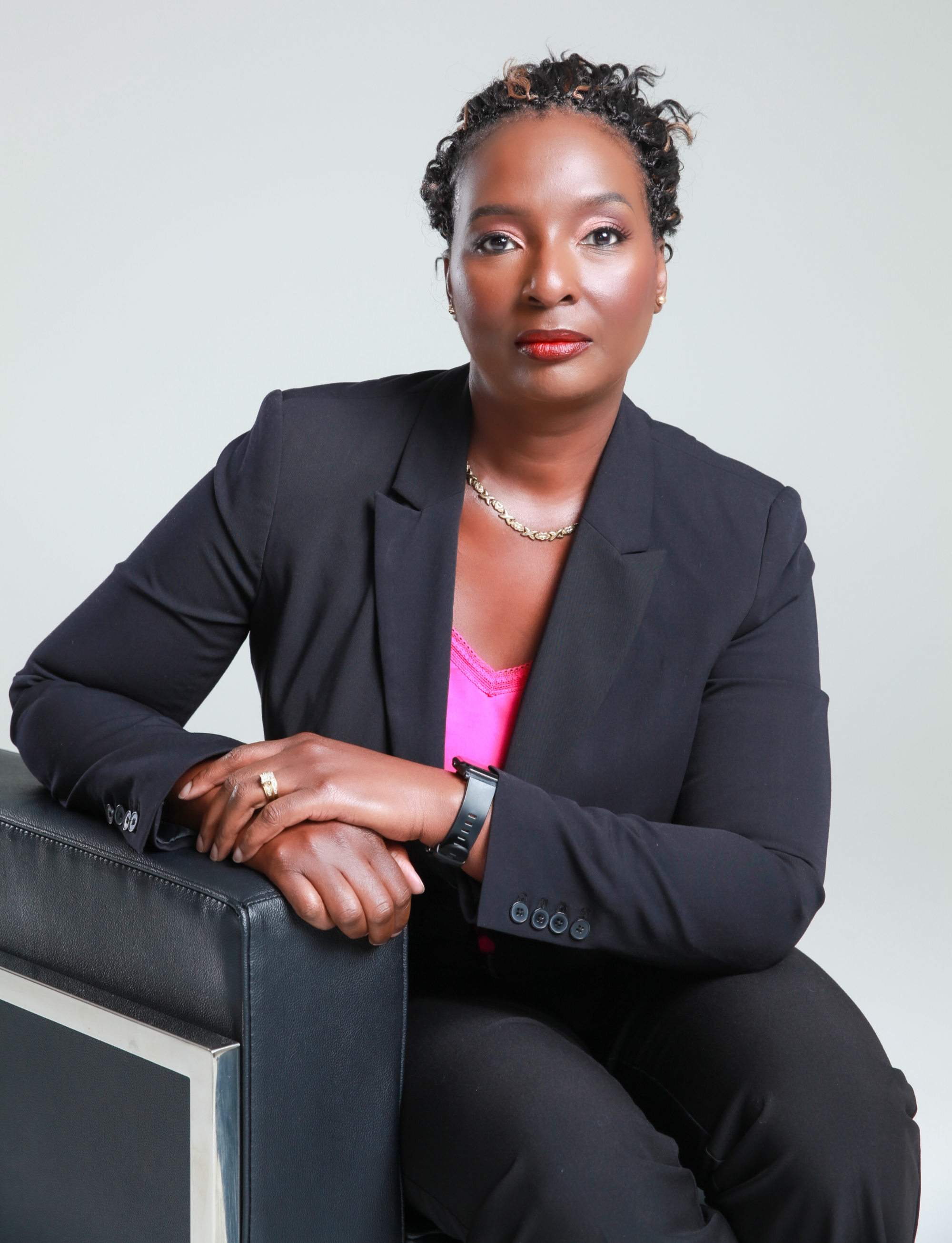

A few years ago, I decided it was time for me to learn how to swim.
I know what you're thinking: I live in Florida. Surely, I already knew how to swim. Not true. Not me.
For years, I avoided it because I was scared. But eventually, I got tired of letting fear be the reason I sat by the pool on vacation. I decided to take my power back. So, I signed up for swimming lessons at the YMCA.
I knew it would be scary. But I made a decision early on: Fear wasn't going to talk me out of it. What I didn't expect was how much that decision would teach me about leadership and fear, and how most of us are preparing for the wrong thing entirely.
The Difference Between Pretending and Preparing
Before each class, I started talking to myself. The day before. The morning of. In the changing room. Standing at the edge of the pool. Stepping into the water.
I told myself the truth: water would get in my hair, my ears, my eyes, my nose.
Then I reminded myself of the facts. The pool was only four feet deep. I'm six feet tall. If something went sideways, I could just stand up. I was safe.
Here's the distinction that mattered most: I wasn't telling myself that nothing scary would happen. I was preparing myself for what I might feel when it did.
That's a different kind of preparation than most of us practice—in the pool or in leadership.
What I Noticed at the Wall
During class, I noticed a few people holding tightly to the pool wall. They'd gotten in the water, but they wouldn't move away from the edge.
I asked one woman if she'd talked positively to herself before class. She said yes. But her "before class" had happened in the changing room, only minutes before she got into the pool.
Mine had started the day before.
It wasn't that she hadn't prepared. She'd prepared too late and too lightly for what she was about to feel.
The Leadership Parallel: We Prepare for the Wrong Thing
This experience made me think about how this shows up in leadership and executive life. We know when something difficult is coming:
A hard conversation
A challenging meeting
A performance review
A big presentation
A conflict we've been avoiding
A promotion interview
A conversation about money
A major organizational change
And we prepare, but almost always for the content. We write the talking points. We build the presentation deck. We rehearse the speech.
What we rarely prepare for is what we might feel when we're in it.
Three Questions to Ask Before You Get in the Water
If you know a difficult moment is coming, try asking yourself these questions ahead of time. Not the morning of, but days before:
What am I afraid might happen?
What might I feel if it does?
What do I want to remember about myself when fear shows up?
Fear can become a story, or it can become the story.
Left unexamined, that story becomes self-doubt. And self-doubt changes how we respond. Whether we freeze, react, or retreat, it happens long before the actual event.
Preparing Without Pretending
This isn't about convincing yourself that nothing could go wrong, or pretending the hard thing will be easy. It's about deciding, ahead of time, what you want to remember when it gets uncomfortable.
Before you step into whatever your "water" is this week, try this:
Name the fear.
Name the feeling.
Notice the story you're telling yourself about what it means.
Decide whether you want to keep that story or write a new one.
You don't have to eliminate fear to move forward. You just have to decide that fear won't have the final say.
Leadership Reflection Questions
What "water" are you preparing to step into right now? What are you afraid might happen?
When fear shows up, what story are you most likely to tell yourself about what it means?
Before you get in the "water," what do you want to remember about who you are?
Common Questions
How do I prepare for a difficult conversation when I'm afraid of the outcome?
Start days before, not minutes before. Name specifically what you're afraid might happen, then ask what you might feel if it does. Preparing for the feeling, not just the talking points, keeps fear from catching you off guard in the moment.
What's the difference between avoiding fear and preparing for it?
Avoiding fear means ignoring it until it shows up uninvited. Preparing for fear means naming it ahead of time and deciding how you'll respond when it arrives, not pretending it won't come but making sure it doesn't have the final say.
Why do some people freeze in high-pressure moments even after they've prepared?
Often, their preparation covered only the content, what to say or do, not the emotional response. Without rehearsing what fear might feel like in the moment, that feeling can arrive as a surprise and trigger a freeze response instead of a grounded one.
Can fear actually be useful in leadership?
Yes. Fear often signals that something matters. The goal isn't to eliminate it. It's to stop letting it write the story on its own. Leaders who name their fear and prepare for it tend to move through hard moments with more clarity, not less.
How can leaders build resilience for ongoing challenges, not just one-time events?
Resilience grows from repeated practice: naming the fear, noticing the story you tell yourself, and consciously choosing whether to keep that story or rewrite it. Done consistently, this becomes a leadership habit — not just a one-time fix.
Want more reflections like this one delivered straight to your inbox? Subscribe to the LEIDOSWEL newsletter for weekly leadership insights rooted in real life, real stories, and real growth.

About the Author
Dr. Tonicia Freeman-Foster, Ed.D., is the Co-Founder & Chief Leadership Strategist of LEIDOSWEL® Leadership Consulting, where she helps healthcare, nonprofit, and mission-driven leaders build cultures of trust, retention, and authentic leadership. An executive coach and consultant with 20+ years of experience, developer of the R7 Emotional Conflict Reframing Framework™, best-selling author, and expert on the stories we lead from.
Source note: According to the CDC, an estimated 40 million US adults report not knowing how to swim — 36.8% of Black/African Americans, 25.8% of Hispanics, and 6.9% of Caucasians.


Comments